
PEB vs Conventional Steel Shed: 2026 Comparison
The Core Difference
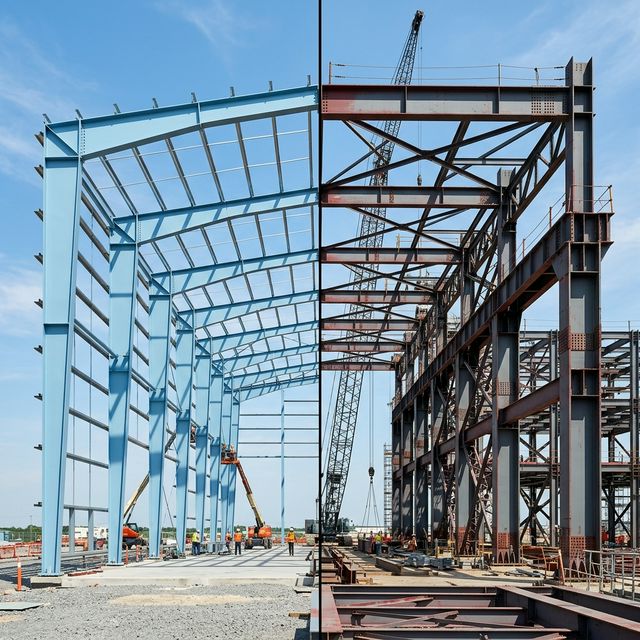
Choosing between a Pre-Engineered Building (PEB) and a conventional steel shed is the first major decision in any industrial project. While both use steel, the design philosophy and fabrication process are worlds apart.
Golden Rule for 2026:
"If your clear span is above 60 ft → PEB is highly recommended for safety and cost-efficiency."
Side-by-Side Comparison
| Metric | PEB System | Conventional Steel |
|---|---|---|
| Structure | I-frames with tapered members | Uniform standard sections (H/I Beams) |
| Weight | 30% Lighter (Optimized) | Heavier (Fixed sizes) |
| Delivery | 6-10 Weeks | 16-24 Weeks |
| Foundation | Lower Cost (Lighter load) | Higher Cost (Heavy load) |
Large Span Advantage (>60 ft)
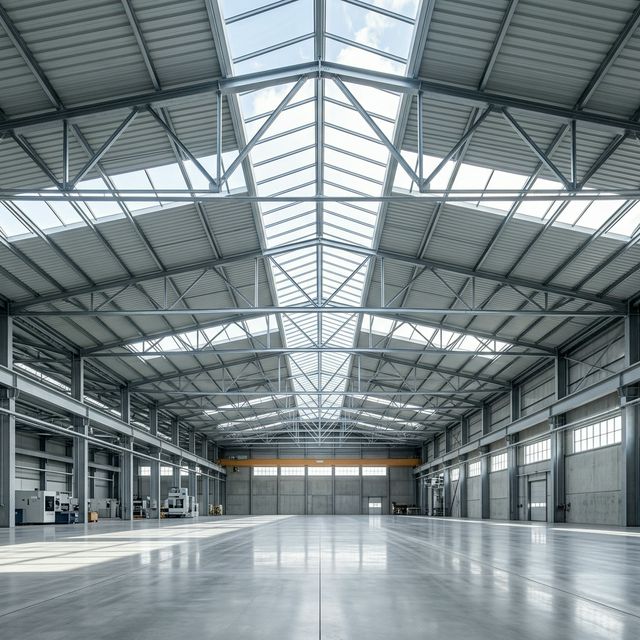
For large-scale warehouses or factory floors where you need to move heavy machinery or forklift traffic freely, internal columns are a nightmare. PEB technology allows for Clear Spans of up to 300+ feet without a single central column.
In conventional construction, hitting a 60-ft span with standard rolled sections requires massive steel weight, often making the project financially unviable compared to the tapered-member approach of PEB.
Decision Flow: Which should YOU use?
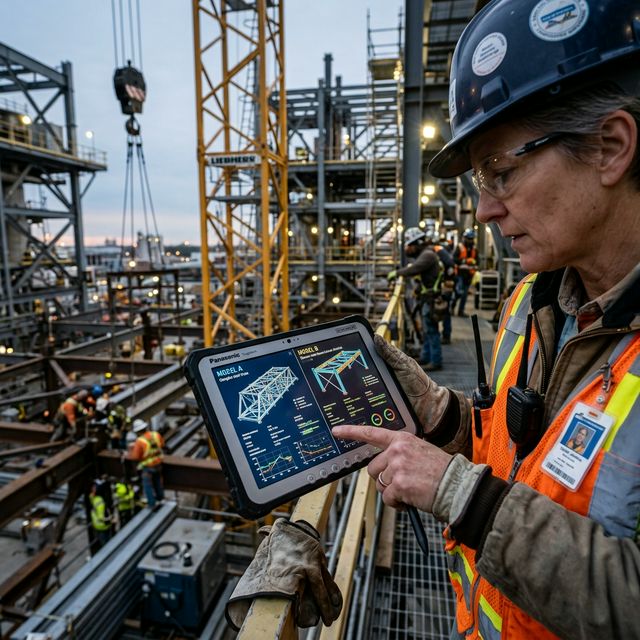
- ✅ Use PEB if: You need large spans, have a tight 3-month deadline, or want to minimize foundation costs. Best for Warehouses, Airports, and Large Factories.
- ✅ Use Conventional if: The structure is highly irregular, small-scale (like a backyard shed), or requires heavy mezzanine loads that don't fit modular patterns.
The Final Verdict
At Vyomn Projeccts, we specialize in both, but our data shows that 85% of modern industrial projects in India are switching to PEB due to its ROI. If your project has a span exceeding 60ft, PEB isn't just an option—it's the industry standard for durability and safety.
Request a Structural Audit